
I still remember lying in bed at night after finally getting my little one to sleep, scrolling through Instagram and watching one Reel after another.
Everywhere I looked, there were women talking about how they were making money online from home. Some claimed they had replaced their full-time income. Others said they were earning thousands of dollars every month.
At first, I honestly didn’t believe it.
I kept thinking, “There’s no way all of these women are actually making money online.”
But after seeing it over and over again, another thought started creeping into my mind.
“What if they really are?”
I started wondering why it seemed so easy for everyone else while I was sitting there convinced I could never do it myself.
I was just a stay-at-home mom with no marketing experience, no business background, and definitely no desire to dance on camera or become an influencer.
For months, I convinced myself it had to be incredibly complicated. There had to be some secret I didn’t know. Surely it couldn’t be as simple as these videos made it look.
Then one day I caught myself thinking:
“Honestly… how hard can it really be?”
Every single person making money online had to start somewhere. None of them were born knowing how to build an online business.
So instead of overthinking it for another six months, I finally decided to learn how faceless marketing actually worked.
And that’s when I realized something that completely changed my perspective.
It wasn’t nearly as complicated as I had made it out to be.
In fact, once I understood the basics, I realized that faceless marketing was one of the most beginner-friendly ways for a stay-at-home mom like me to start an online business—without showing my face, without having a huge following, and without spending hours every day creating content. Make sure to read until the end, because I’ve got a free gift waiting for you.
Step 1: Choosing the Right Niche (Important Choice)

Once I realized just how many successful faceless accounts were out there, I finally decided it was time to create my own.
The only problem was… I was starting from absolute zero.
I had no idea where to begin, what kind of content to create, or even what people wanted to see. So before posting anything, I spent some time learning the basics.
One piece of advice kept coming up over and over again:
Pick a niche that genuinely interests you.
That made so much sense to me. Creating content is so much easier when you’re talking about something you already enjoy or have experience with.
For example, if you’re passionate about health and fitness and you already work out a few times a week, you could create a faceless account where you share healthy recipes, workout tips, or simply document what has worked for you. People don’t expect you to be a doctor or a certified coach—they’re often just looking for relatable advice from someone who’s on a similar journey.
That’s exactly why I chose the health niche. It was something I genuinely enjoyed learning about, and I knew that if I was interested in the topic, staying consistent would feel much more natural. Looking back, choosing a niche I actually cared about was one of the best decisions I made because it made creating content feel exciting instead of feeling like a chore.
Step 2: Setting Up My Account (10-20 minutes)

Once I had decided on my niche, it was finally time to create my account.
I simply signed up for a new Instagram account using a separate email address—although you can also use an old email you already have. The setup itself only took a few minutes.
The next step was choosing a username. I tried to keep it short, simple, and easy to remember. It doesn’t have to be your real name at all. In fact, many successful faceless accounts use completely made-up brand names. The only thing I’d recommend is avoiding unnecessary numbers, symbols, or random characters that make your username look unprofessional or difficult to remember.
After that, I created a simple logo using ChatGPT’s image generation tools, which gave my profile a clean and professional look without spending any money on a designer.
Finally, I wrote a short bio—just two or three simple sentences explaining who I was, what kind of content I shared, and why someone should follow my account.
At that point, everything was ready. My profile looked complete, professional, and trustworthy—and for the first time, I felt like I was actually ready to start posting content.
Step 3: Train Your Algorithm Before You Post
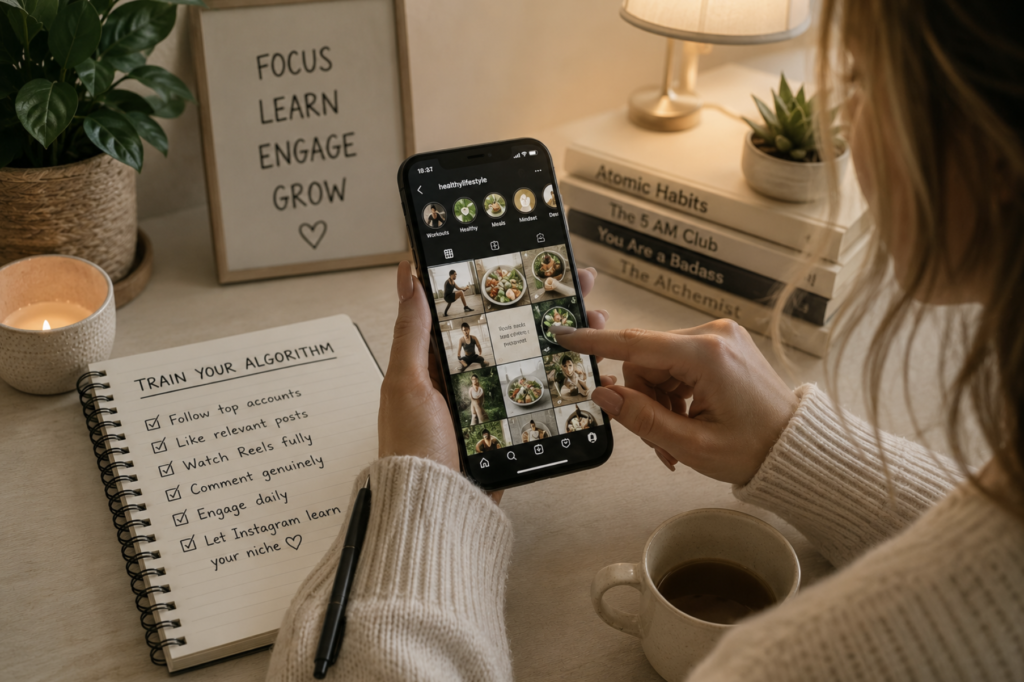
One of the biggest tips I can give you—and something I think a lot of beginners completely overlook—is to train your algorithm before you even publish your first post.
That’s exactly what I did.
Since my niche was health and weight loss, I started by looking at other accounts in that space. I searched for the biggest creators in my niche and followed around 10 to 20 successful accounts. My goal wasn’t to copy them—it was simply to understand what was already working.
I paid attention to questions like:
- What kind of videos get the most views?
- What topics do they post about repeatedly?
- How do they structure their Reels?
- What captions do they use?
- Which videos receive the most engagement?
After that, I spent about 30 minutes scrolling through Instagram, but only interacting with content related to health, fitness, and weight loss. I liked videos, left genuine comments, and watched the Reels all the way through.
The reason I did this was simple: I wanted Instagram to understand what my account was interested in.
The more you engage with content in your niche, the faster Instagram starts showing you similar posts. That makes it much easier to stay inspired, discover trends, and understand what type of content performs well.
By the time I was ready to post my first Reel, my entire feed was filled with health-related content—which made creating ideas so much easier.
Step 4: Find Proven Hooks and Create Your First Videos
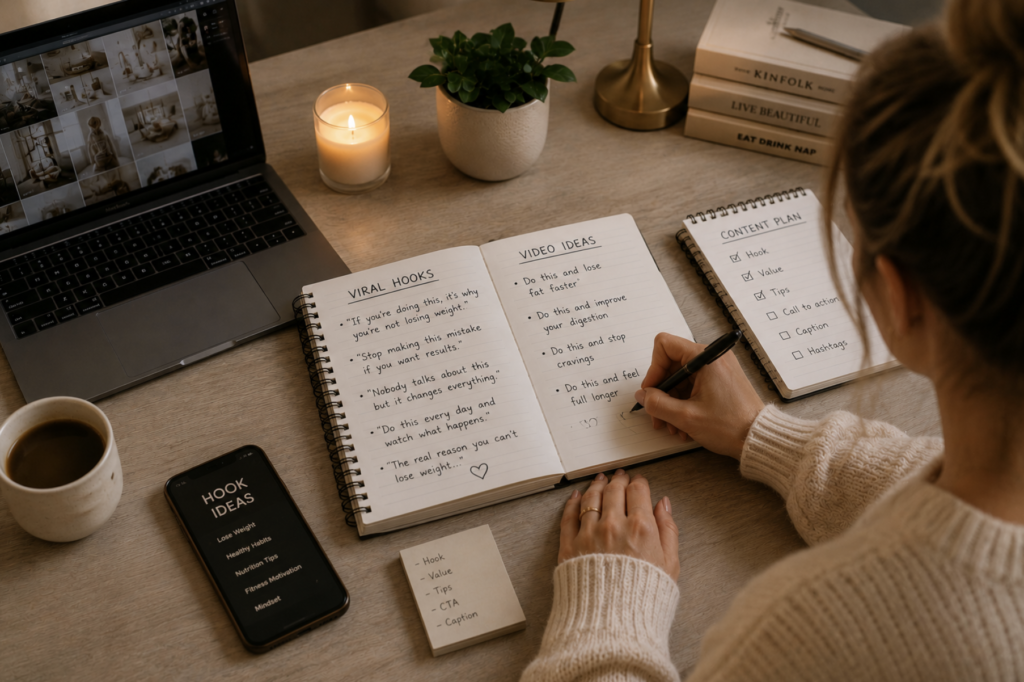
While I was researching other creators in my niche, I wasn’t just saving random videos—I was paying close attention to their hooks.
A hook is simply the very first sentence of a Reel. It’s what grabs someone’s attention and makes them stop scrolling.
I started saving the videos that performed really well and wrote down the hooks they used. I quickly noticed that the most successful creators weren’t reinventing the wheel. They were using simple, curiosity-driven openings that made people want to watch.
For example:
- “If you’re eating this every day, it’s no wonder you’re not losing weight.”
- “Stop making this mistake if you’re trying to lose fat.”
- “Nobody tells you this about weight loss…”
These kinds of openings immediately make people curious enough to keep watching.
Of course, I didn’t copy entire videos. I simply used the same style of hook and then shared my own information in the rest of the video.
When it came to creating the actual content, I realized there isn’t just one “right” way to make faceless videos.
Some people download aesthetic stock footage—nature, coffee, laptops, cooking, or everyday scenes—and simply add text or a voice-over.
Since I eventually became more comfortable with content creation, I started generating some of my own visuals using AI. That allowed me to create unique-looking videos while adding text overlays to explain the information I wanted to share.
Another option is filming yourself without ever showing your face. For example, you can record your hands while cooking, your workouts, your desk setup, or your daily routine. As long as your face isn’t visible, it’s still considered faceless content—and it can work just as well.
The most important thing is not having perfect videos. It’s creating content that provides value and keeping your style consistent so people know what to expect from your account.
Step 5: Stay Consistent and Double Down on What Works
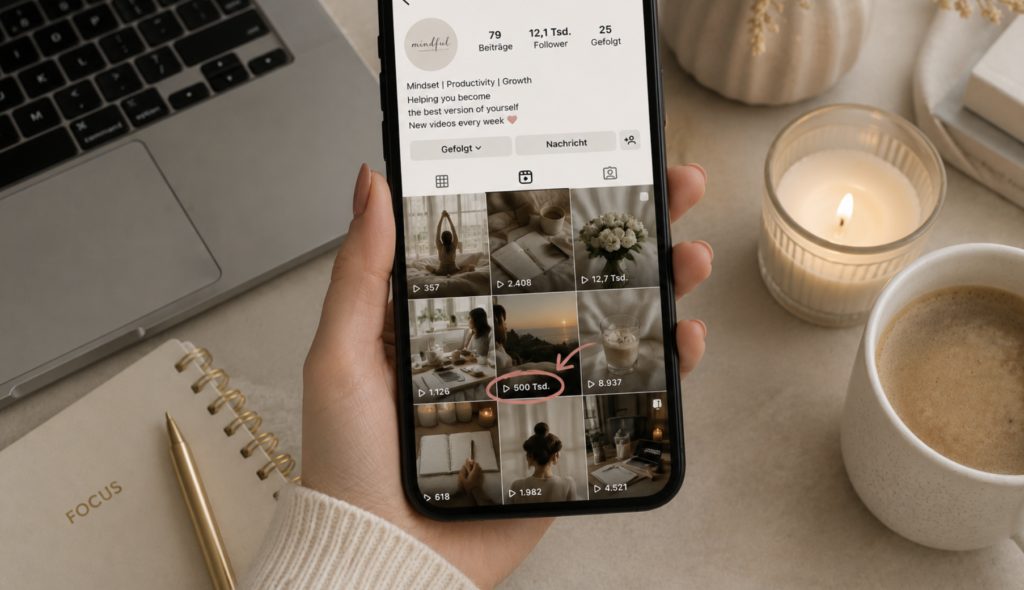
Once everything was set up, I finally started posting.
During my first week, I posted one Reel every day.
In my second week, I increased it to two Reels per day.
From the third week onward, I consistently posted three Reels every single day.
The biggest lesson I learned was that consistency matters far more than trying to create the “perfect” video.
After every post, I paid attention to the numbers. Which videos got views? Which ones flopped? Which topics made people stop scrolling?
Whenever a video performed well, I didn’t move on to something completely different—I simply created another version of the same idea.
For example, if a Reel saying:
“Do this and you’ll lose fat faster.”
performed really well, my next videos might be:
- “Do this and you’ll improve your digestion.”
- “Do this and you’ll stop craving sugar.”
- “Do this and you’ll feel full for longer.”
The format stayed the same. I simply changed the topic.
That’s something I noticed almost every successful creator does. When something works, they don’t reinvent the wheel—they repeat the winning formula with a fresh angle.
One thing I really want you to remember is this:
Don’t give up too early.
Not every account takes off immediately.
I’ve had accounts where nothing happened for the first 50, 60, or even 70 videos. It can feel discouraging, but that’s completely normal.
Then suddenly, one Reel starts gaining traction.
And once that happens, Instagram often begins recommending your other videos as well. That’s when growth starts to snowball.
The hardest part isn’t creating content.
The hardest part is staying consistent long enough to give the algorithm a chance to find the right audience.
Grab My Free Faceless Income Starter Guide
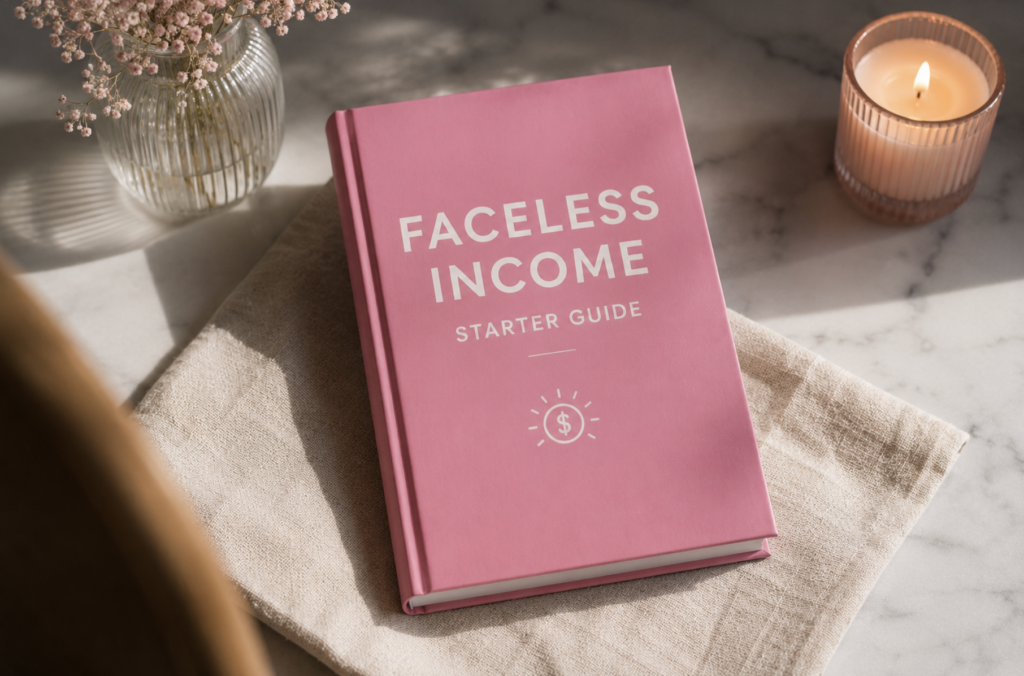
If you’d like to make the process even easier, I’ve put together a free Faceless Income Starter Guide (Grab for free).
Inside, I’ll walk you through exactly how to build your account step by step, find content ideas, create Reels that people actually watch, and avoid the mistakes that most beginners make.
My hope is that it helps you build an online income that gives you more freedom—and maybe even allows you to leave your 9-to-5 one day.
I wish you the very best on your journey.
And if you have any questions, feel free to leave a comment below. I’d love to help.